What You Can Buy With Food Stamps (SNAP) in 2026
Last updated:
Apply on the official site →Getting approved for SNAP is one problem. Standing in the aisle wondering whether the thing in your hand will go through is a different one — and almost nobody explains that part.
So here is the rule itself. Not a summary of a summary: the actual federal definition of what SNAP pays for, with the four exceptions quoted word for word, and the places where what people “know” is wrong.
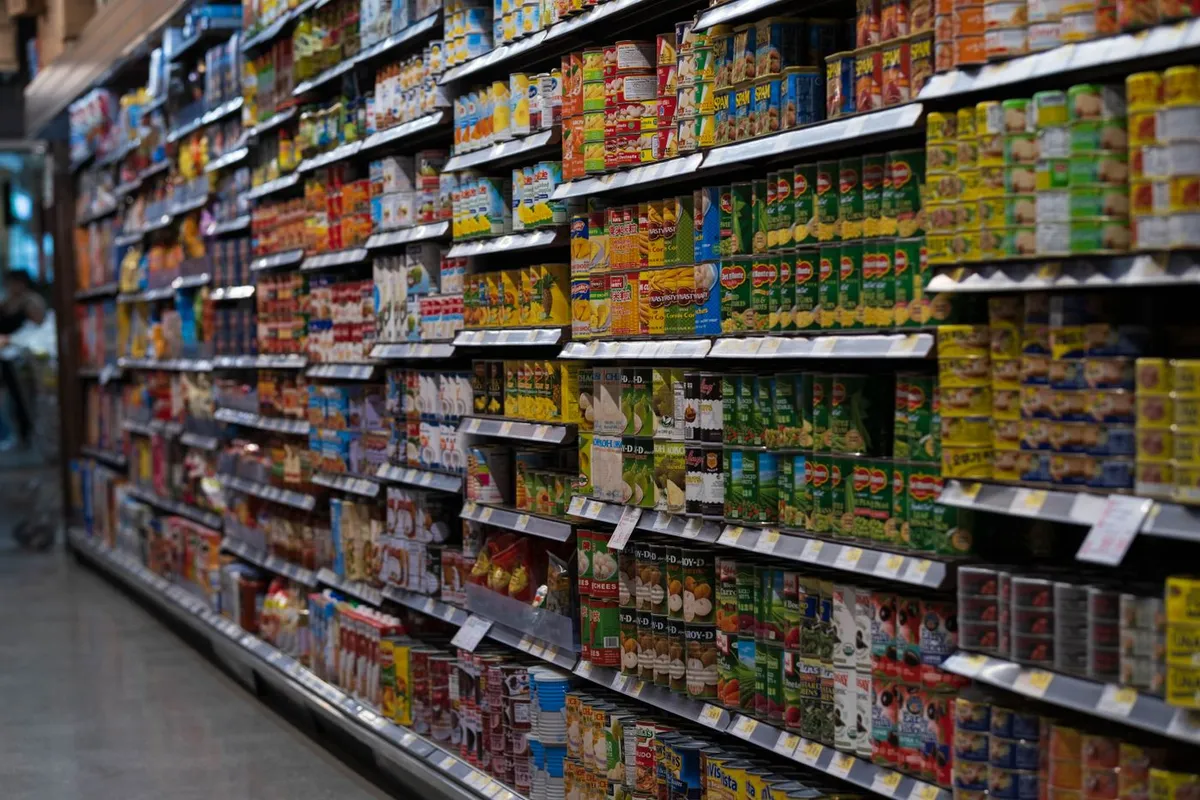
These are the federal rules, current as of the September 9, 2026 edition of the regulations. They are the baseline in every state. Three things do vary: which stores near you are authorized, whether your state runs the optional restaurant and meal programs described below, and — as of 2026 — whether your state has a waiver that removes candy and sweetened drinks from its own list.
The One Sentence That Decides Almost Everything
Federal regulations define the term “eligible foods” at 7 CFR 271.2. The first item on that list is the one that covers your weekly shop:
“Any food or food product intended for human consumption except alcoholic beverages, tobacco, and hot foods and hot food products prepared for immediate consumption and any deposit fee in excess of the amount of the State fee reimbursement (if any) required to purchase any food or food product contained in a returnable bottle, can, or other container, regardless of whether the fee is included in the shelf price posted for the food or food product”
Read it as a rule with a default and four carve-outs:
- Default: any food or food product intended for human consumption.
- Carve-out 1: alcoholic beverages
- Carve-out 2: tobacco
- Carve-out 3: hot foods and hot food products prepared for immediate consumption
- Carve-out 4: the bottle-deposit portion of a drink’s price
That is the whole item-level test in the federal regulation. There is no federal list of approved brands, no nutrition standard written into the rule, and no cap on how much of your benefit goes to any food group. If it is food for people and it is not on that list of four, the regulation covers it.
One important layer on top of that, new since 2026: a handful of states have obtained USDA waivers that take candy and sweetened drinks off their own state’s list. If you live in one of them, your list is shorter than the federal rule. We cover which states we could verify, and the regulation that allows it, in its own section below.
What You Can Buy
| In your cart | Eligible? | Where it comes from |
|---|---|---|
| Meat, poultry, fish, eggs, dairy | Yes | ”any food or food product intended for human consumption” |
| Bread, cereal, rice, pasta, flour | Yes | same |
| Fruit and vegetables — fresh, frozen, canned, dried | Yes | same |
| Snacks, cookies, ice cream | Yes | no nutrition test exists in the rule |
| Candy | Yes federally — but removed in some states, see below | no nutrition test exists in the rule |
| Juice, coffee, tea, bottled water | Yes (deposit excluded — see below) | same |
| Soda and other sweetened drinks | Yes federally — but removed in some states, see below | same |
| Baby formula and baby food | Yes | same |
| Spices, cooking oil, condiments, baking supplies | Yes | same |
| Seeds and edible plants for your household to grow | Yes — by name | 7 CFR 271.2, item (2) |
| Cold sandwiches, cold deli items, cold rotisserie chicken | Yes — the exclusion is for hot food | carve-out 3 is temperature-based |
| A birthday cake from the bakery case | Yes, if it is not sold hot | same |
What You Cannot Buy
| Not eligible | The exact reason |
|---|---|
| Beer, wine, liquor | ”except alcoholic beverages” |
| Cigarettes, cigars, chewing tobacco | ”and tobacco” |
| Hot deli chicken, hot pizza slice, hot soup from the warmer, coffee poured hot at the counter | ”hot foods and hot food products prepared for immediate consumption” |
| The bottle-deposit part of a drink’s price, in deposit states | ”any deposit fee in excess of the amount of the State fee reimbursement (if any)“ |
| Paper towels, soap, diapers, pet food, cleaning supplies, medicine, cosmetics | not “food or food product intended for human consumption” |
| Anything bought on credit or on a store tab | 7 CFR 278.2(f): “SNAP benefits shall not be accepted … in payment for items sold to a household on credit” |
Note what is not in either column: there is no federal rule against buying the most expensive steak in the case, and the federal regulation contains no requirement that you buy “healthy” food. People are told otherwise constantly. Where a nutrition rule does exist, it comes from a state waiver, not from this definition — the state waiver section explains the difference.
Seeds and Plants Are Eligible — This Is Not a Loophole
Item (2) of the definition is a single line, and it is the one most likely to surprise you:
“Seeds and plants to grow foods for the personal consumption of eligible households”
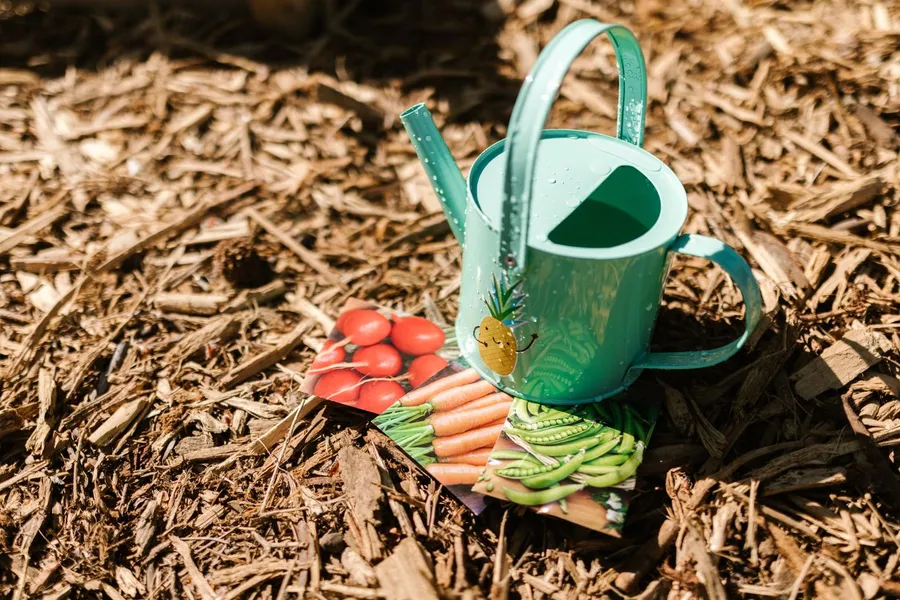
That is a standalone category, listed next to food itself. A $2 packet of tomato seeds and a tray of pepper starts are eligible purchases in the same way a bag of rice is. The limits are in the wording:
- “To grow foods” — vegetable, fruit, and herb seeds and edible plants. Ornamental flowers and houseplants are not food.
- “For the personal consumption of eligible households” — for your household to eat, not to sell.
- The rule covers the seeds and plants, not the equipment. Pots, soil, fertilizer, and tools are not food.
If you have a yard, a balcony, or a windowsill, this is the highest-return line in the whole definition. And because so many people — sometimes including store staff — assume garden items are off limits, it is worth knowing the citation: 7 CFR 271.2, definition of “eligible foods,” item (2).
The Hot-Food Rule Is About Temperature, Not Convenience
This is the single most misunderstood line in SNAP, and it costs people food they were entitled to buy.
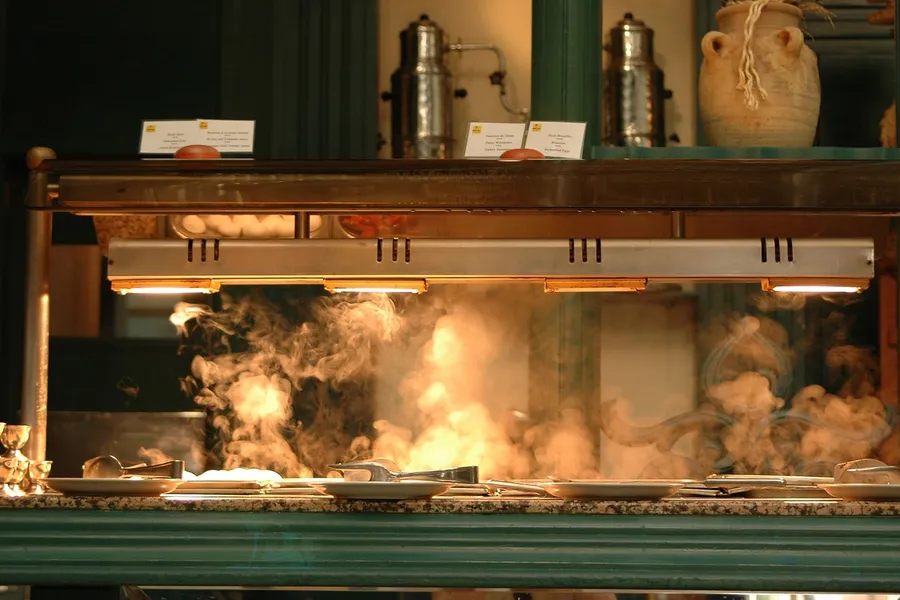
The carve-out is: “hot foods and hot food products prepared for immediate consumption.” Every word of it is about heat. The common belief — “you can’t buy prepared food” or “you can’t buy anything ready to eat” — is broader than the rule.
What follows from the actual text:
- A hot rotisserie chicken pulled from the warming case: excluded.
- The same chicken, sold cold from the refrigerated case: a food product intended for human consumption, not excluded by any of the four carve-outs.
- A cold deli sandwich, a packaged salad, cold sushi, a cold party tray, a cake from the bakery case: not excluded.
- A bag of frozen prepared lasagna: not excluded.
There is a second rule people mix into this one, and separating them matters. 7 CFR 278.1 says a firm with “more than 50 percent of their total gross sales in foods cooked or heated on-site … and hot and/or cold prepared foods not intended for home preparation or consumption” cannot be authorized as a retail food store. That is a store-level test — it decides which businesses may accept SNAP at all. It is not an item-level test, and it does not make cold prepared food ineligible inside a normal supermarket that is already authorized.
So: the deli counter at your grocery store is not off limits. The warming case is.
The Bottle Deposit Almost No One Mentions
Carve-out 4 is the most obscure thing in the definition, and it explains a receipt that otherwise looks like an error.
In states with a bottle bill, part of the price of a canned or bottled drink is a refundable deposit. The regulation excludes from eligible foods:
“any deposit fee in excess of the amount of the State fee reimbursement (if any) required to purchase any food or food product contained in a returnable bottle, can, or other container, regardless of whether the fee is included in the shelf price posted for the food or food product”
Two things to take from that:
- The drink is eligible. The deposit is not eligible to the extent the state does not reimburse it.
- The rule applies even when the deposit is folded invisibly into the shelf price. “Regardless of whether the fee is included in the shelf price posted” is doing that work on purpose.
Practically, in a deposit state this can mean a few cents per container that your benefits do not cover. It is small money and a large amount of confusion, and now you know why the total moved.
Energy Drinks, Vitamins and the Label Question — Honestly
You have probably read that the test is the label: a product with a “Supplement Facts” panel is not SNAP eligible, and one with a “Nutrition Facts” panel is. Two energy drinks side by side on the shelf, one buyable and one not.
Here is what we can and cannot confirm.
What we could not find: the SNAP regulation does not say this. We read the complete definition of “eligible foods” in 7 CFR 271.2 and the retailer rules in 7 CFR 278.1 and 278.2. Energy drinks are not mentioned. Vitamins are not mentioned. Supplements are not mentioned. Labels are not mentioned at all. The only phrase the rule gives us is “food or food product intended for human consumption.”
What the label distinction is actually built on: FDA labeling rules, not SNAP rules. Under 21 CFR 101.9, nutrition information “shall be provided for all products intended for human consumption and offered for sale,” under the heading “Nutrition Facts.” Under 21 CFR 101.36, a dietary supplement must instead put its nutrition information “under the heading ‘Supplement Facts.’” So the panel on the can is a reliable signal of how the FDA classifies the product — food or supplement — and that classification is what the word “food” in the SNAP rule turns on.
What to do with that: the label is a good rule of thumb and it is how registers and agencies commonly apply the rule. But it is not a sentence you can point to in the regulations, so if a specific product matters to you, ask your state SNAP agency rather than arguing the citation at a checkout lane. We would rather tell you that than print a rule we could not verify.
And in at least one state the question is already settled a different way. Florida’s waiver names energy drinks as an excluded category outright, with its own definition — no label reading required. That is a state rule, not a federal one, which is exactly the distinction the next section is about.
Your State May Have Taken Items Off the List
Everything above is the federal definition. Starting in 2026, a small number of states have a shorter list than that — and if you live in one, the federal rule is not the rule at your register.
How this is possible. The mechanism is in 7 CFR 282.1, the part of the regulations on demonstration projects. It says Section 17 of the Act “authorizes the Secretary to conduct demonstration, research, and evaluation projects,” and that in conducting them “the Secretary may waive all or part of the requirements of the Act and implementing regulations necessary to conduct such projects.” A state asks USDA for a waiver; if USDA approves it, that state’s definition of eligible food can be narrower than 7 CFR 271.2. The same section also limits what a project may do — it bars projects that “would lower or further restrict the established income and resource standards or benefit levels,” so a waiver of this kind changes what you can buy, not how much you get.
The states we could verify from their own agency pages:
| State | What is excluded | Since |
|---|---|---|
| Indiana (“Smart SNAP”) | Candy, and sugary drinks — “non-alcoholic beverages that contain natural or artificial sweeteners,” excluding drinks with milk, soy or rice products, or sweetened naturally by fruit or vegetable juice | January 1, 2026 |
| Idaho | Candy — “a preparation of sugar, honey, or other natural or artificial sweeteners combined with chocolate, fruits, nuts, or other ingredients or flavorings in the form of confections, bars, drops, or pieces” (flour-containing and refrigerated items are not candy) — and soda, “any nonalcoholic beverage that contains natural or artificial sweeteners” (milk-based drinks, drinks over 50% juice, and powders or concentrates are not soda) | February 15, 2026 |
| Florida (“Healthy SNAP”) | Soda, energy drinks, candy, and ultra-processed shelf-stable prepared desserts — defined as “a processed, shelf-stable, ready-to-eat, pre-packaged sweet food intended for immediate consumption.” Florida’s page says breakfast items such as granola bars and freshly baked goods stay eligible | April 20, 2026 |
Three details worth carrying with you:
- The definitions are the fine print. Idaho’s own page says a preparation containing flour is not “candy” — which is why a chocolate-coated wafer bar and a plain chocolate bar can land on opposite sides of the line. A drink with milk in it, or one that is more than half juice, is generally not “soda” under these definitions.
- Idaho states there is no medical exemption: “Candy and soda cannot be purchased with SNAP benefits, regardless of medical need.”
- This list is not the whole picture. Other states have waivers approved or pending, and we could not confirm their terms from a primary source in this check — USDA’s own waiver pages block automated requests from our environment, and one state agency site was unreachable. Do not assume your state is unaffected because it is not in the table. Check your state SNAP agency’s page, or ask at your next interview.
Two Rights You Have at the Register
These come from 7 CFR 278.2, and they hinge on a definition most people never see. In 7 CFR 271.2, “coupon” means “any coupon, stamp, type of certificate, authorization card, cash or check issued in lieu of a coupon, or access device, including an electronic benefit transfer card or personal identification number.” The paper-coupon language in the old regulations is the EBT card in your wallet.
1. No sales tax on eligible food. The rule: benefits are accepted “at the same prices and on the same terms and conditions applicable to cash purchases of the same foods at the same store except that tax shall not be charged on eligible foods purchased with coupons.”
2. No different treatment, and no worse price. Same sentence: same prices, same terms and conditions as a cash customer. And the section closes the door explicitly — “No retail food store may single out coupon users for special treatment in any way.” Store sale prices, loyalty discounts, and manufacturer coupons are yours on the same terms as anyone else’s.
One limit in the other direction: a store may not accept benefits for anything sold on credit. If a store offers to run a tab, that is not allowed under the rule.
Where You Can Use It
The definition of a “retail food store” in 7 CFR 271.2 is broader than a supermarket. It includes ordinary stores selling food for home preparation, nonprofit food-buying co-ops, and — listed as its own category — “A farmers’ market.” Our guide to senior farmers market coupons covers a separate produce program that runs at many of the same markets.
The same definition also lists settings that can accept benefits for meals, which is the only way SNAP touches prepared food:
- Authorized meal delivery services and communal dining facilities for people who are elderly or receiving SSI
- Drug addiction or alcoholism treatment and rehabilitation programs, for residents and their children
- Group living arrangements, for residents who are blind or have a disability
- Shelters for battered women and children, for eligible residents
- Nonprofit establishments that feed homeless people — soup kitchens and shelters approved by a state or local agency
- Restaurants under contract with a state agency to serve meals to homeless people at “concessional (low or reduced) prices”
7 CFR 278.1 goes further on that last one: a restaurant can be authorized when it operates “under a contract with a State or local agency to prepare and serve (or deliver) low-cost meals to homeless persons, elderly persons and SSI recipients,” must have “more than 50 percent of its total sales in food,” and its contract “must specify the approximate prices which will be charged.” The regulation even lists what counts as a reduced price: “a percentage reduction, a set dollar amount reduction, a daily special meal, or an offer of a free food item or beverage (excluding alcoholic beverages).”
None of this is automatic. These are options a state may take up, restaurant by restaurant and contract by contract. Ask your state SNAP agency what exists where you live — USA.gov’s SNAP page has the office finder.
One more category, for completeness: in specific parts of Alaska where FNS has designated that households depend on hunting and fishing for subsistence, equipment such as nets, lines, hooks, fishing rods, and knives is eligible — but not firearms, ammunition, or anything for transportation, clothing, or shelter.
If SNAP Does Not Cover What You Need
- You have not applied yet, or you were denied. Start with SNAP income limits and how to apply. If someone in your household is 60 or older or has a disability, the SNAP medical expense deduction can lower your countable income and raise your benefit.
- You need food this week, not next month. A food bank asks for no certification. Our guide to finding a Feeding America food bank explains how to locate one today.
- You are 60 or older. The monthly USDA food box for seniors (CSFP) is groceries, not a card, and its income test is separate from SNAP’s.
- Cooking is the hard part. Meals on Wheels delivers prepared meals to older adults at home — a different service from a grocery benefit, and one SNAP cannot buy at a restaurant.
- You are pregnant or have a child under 5. WIC works from a specific food list rather than the open definition above, and you can receive WIC and SNAP at the same time.
- You have school-age children. Free and reduced-price school meals cover the meals SNAP is not meant to stretch to.
If you are not sure where to start, dial 2-1-1. Our 211 guide explains what that call can and cannot do.
How We Checked This
Every rule on this page was read from the regulation text, not from another site’s summary.
What we read. The full definition of “eligible foods” and the definitions of “coupon” and “retail food store” in 7 CFR 271.2; the retailer conduct rules in 7 CFR 278.2 (equal prices, no tax, no special treatment, no credit); the store-authorization rules in 7 CFR 278.1 (the 50%-prepared-food test and the contracted-restaurant provisions); and the waiver authority in 7 CFR 282.1. All four were pulled from the eCFR edition current as of September 9, 2026 — the latest edition of Title 7 at the time of writing. For the label question we read 21 CFR 101.9 and 21 CFR 101.36 from the Title 21 edition current as of September 10, 2026. The three state restrictions were read from the state agencies’ own pages — Indiana’s Division of Family Resources, the Idaho Department of Health and Welfare, and Florida’s Department of Children and Families.
Where common knowledge and the regulation part company. Three places, all covered above:
- “You can’t buy prepared food.” The carve-out is only for hot food prepared for immediate consumption. Cold prepared food is not excluded at the item level. The 50%-of-sales test that people half-remember is a rule about which stores may be authorized, in a different part of the regulations.
- “Seeds aren’t food.” Seeds and edible plants are named as their own eligible category, in the same definition as groceries.
- “The Supplement Facts rule.” We could not find it in the SNAP regulations, because it is not there — it rests on the FDA’s own labeling split between “Nutrition Facts” and “Supplement Facts.” We say so rather than dressing a policy up as a regulation.
Two limits worth stating plainly.
- USDA’s Food and Nutrition Service website, which publishes the plain-language eligible-food page most articles cite, returns an HTTP 403 error to automated requests from our environment — we tried five of its SNAP pages, including its food-restriction waiver index, and every one was blocked. Rather than copy what other websites say FNS says, we went to the regulation FNS administers.
- The state waiver table above is incomplete, and we say so rather than guessing. With the FNS waiver index unreachable and one state agency site not responding, we listed only the states whose own agency pages we could read in full. Others exist. Treat the table as a floor, not a complete list.
If a rule on this page ever conflicts with what FNS or your state agency tells you about your own case, follow them and tell us so we can re-check the guide.
This is general information, not legal or financial advice. SNAP is a federal program administered by state agencies. The item-level rules above are the federal baseline; state candy and soda waivers, authorized stores, EBT systems, bottle-deposit laws, and the optional restaurant and meal-delivery programs vary by state and change over time. The regulations cited here were read from the eCFR editions current as of September 9 and 10, 2026, and verified on September 12, 2026.
Last updated: September 12, 2026
Frequently Asked Questions
What can you buy with food stamps in 2026?
Federal rules define eligible foods as "any food or food product intended for human consumption" with only four carve-outs: alcoholic beverages, tobacco, hot foods and hot food products prepared for immediate consumption, and the bottle-deposit portion of a drink price. Everything else in the grocery aisle is in — meat, dairy, bread, produce, canned and frozen food, snacks, soda, baby formula, spices, coffee. Seeds and plants that grow food for your household are also eligible by name.
Can you buy hot food with SNAP?
No, not as a normal grocery purchase. The exclusion in 7 CFR 271.2 is for "hot foods and hot food products prepared for immediate consumption." A hot rotisserie chicken from the warming case is out. The same chicken sold cold from the refrigerated case is a food product intended for human consumption, and the regulation does not exclude it. The line the rule draws is temperature at the register, not convenience.
Can you buy seeds and plants with SNAP?
Yes. It is written into the definition of eligible foods as its own numbered item: "Seeds and plants to grow foods for the personal consumption of eligible households." That means vegetable and herb seed packets and edible starter plants — not ornamental flowers, and not the pots, soil, or tools. Many people assume this is not allowed, so if a cashier or a store's own system rejects it, the citation to bring is 7 CFR 271.2.
Are energy drinks and vitamins SNAP eligible?
The SNAP regulation itself never mentions energy drinks, vitamins, or labels — we read the full definition and it is not there. The rule everyone repeats (a "Supplement Facts" panel means not eligible, a "Nutrition Facts" panel means eligible) tracks an FDA labeling distinction: dietary supplements carry a "Supplement Facts" heading under 21 CFR 101.36, while food carries "Nutrition Facts" under 21 CFR 101.9. Treat it as how stores and agencies apply the word "food," not as a regulation you can quote, and ask your state agency if a specific product matters to you.
Can you still buy soda and candy with SNAP in 2026?
Under the federal regulation, yes — it has no nutrition test. But a few states now have USDA waivers that remove those items in that state. We verified three from the states' own pages: Indiana since January 1, 2026 (candy and sugary drinks), Idaho since February 15, 2026 (candy and soda), and Florida since April 20, 2026 (soda, energy drinks, candy, and ultra-processed shelf-stable desserts). The legal mechanism is 7 CFR 282.1, which lets the Secretary "waive all or part of the requirements of the Act and implementing regulations" for a demonstration project. Other states have waivers we could not confirm from a primary source, so check your own state agency rather than assuming.
Do you pay sales tax when you use an EBT card?
Federal rules say no. 7 CFR 278.2 requires stores to accept benefits "at the same prices and on the same terms and conditions applicable to cash purchases of the same foods at the same store except that tax shall not be charged on eligible foods purchased with coupons" — and "coupon" is defined in 7 CFR 271.2 to include "an electronic benefit transfer card." The same section adds that no store "may single out coupon users for special treatment in any way," so sale prices and store discounts apply to you the same as to anyone paying cash.
Why did my drink cost more than the shelf price?
If you live in a bottle-deposit state, that may be the deposit. The definition of eligible foods excludes "any deposit fee in excess of the amount of the State fee reimbursement (if any)" needed to buy a drink in a returnable container — and the regulation says this holds "regardless of whether the fee is included in the shelf price posted." So the deposit part of the price may have to be paid another way even when the sticker shows one number.
Can you ever use SNAP at a restaurant?
Only through narrow programs, and only if your state runs them. Federal rules let a restaurant be authorized when it "contracts with an appropriate State agency to serve meals to homeless persons at concessional (low or reduced) prices," and a broader provision covers contracted restaurants serving low-cost meals to homeless people, people 60 or older, and SSI recipients. Separately, authorized meal delivery services, communal dining facilities for the elderly and SSI households, treatment centers, group living arrangements, and shelters for battered women and children can accept benefits for meals. None of this is automatic — ask your state SNAP agency what it has authorized.
Sources
- 7 CFR 271.2 — Definitions, "Eligible foods", read from the eCFR edition current as of September 9, 2026 ("Any food or food product intended for human consumption except alcoholic beverages, tobacco, and hot foods and hot food products prepared for immediate consumption and any deposit fee in excess of the amount of the State fee reimbursement (if any) required to purchase any food or food product contained in a returnable bottle, can, or other container, regardless of whether the fee is included in the shelf price posted for the food or food product"; "Seeds and plants to grow foods for the personal consumption of eligible households"; meals from an authorized meal delivery service, a communal dining facility for the elderly or SSI households, a treatment and rehabilitation center, a group living arrangement, a shelter for battered women and children, a nonprofit establishment that feeds homeless persons, and "a restaurant which contracts with an appropriate State agency to serve meals to homeless persons at concessional (low or reduced) prices")
- 7 CFR 271.2 — Definitions, "Coupon" ("any coupon, stamp, type of certificate, authorization card, cash or check issued in lieu of a coupon, or access device, including an electronic benefit transfer card or personal identification number issued pursuant to the provisions of the Food and Nutrition Act of 2008, as amended, for the purchase of eligible food") and "Retail food store" (which includes communal dining facilities, meal delivery services, shelters, "a restaurant that contracts with an appropriate State agency to provide meals at concessional (low or reduced) prices to homeless SNAP households", and "A farmers' market")
- 7 CFR 278.2 — Participation of retail food stores, read from the eCFR edition current as of September 9, 2026 ("Coupons may be accepted by an authorized retail food store only from eligible households or the households' authorized representative, and only in exchange for eligible food."; "Coupons shall be accepted for eligible foods at the same prices and on the same terms and conditions applicable to cash purchases of the same foods at the same store except that tax shall not be charged on eligible foods purchased with coupons."; "No retail food store may single out coupon users for special treatment in any way."; "SNAP benefits shall not be accepted by an authorized retail food store in payment for items sold to a household on credit.")
- 7 CFR 278.1 — Approval of retail food stores and wholesale food concerns, read from the eCFR edition current as of September 9, 2026 ("firms that are considered to be restaurants, that is, firms that have more than 50 percent of their total gross sales in foods cooked or heated on-site by the retailer before or after purchase; and hot and/or cold prepared foods not intended for home preparation or consumption, including prepared foods that are consumed on the premises or sold for carryout, shall not qualify for participation as retail food stores under Criterion A or B. … Such firms may qualify, however, under the special restaurant programs that serve the elderly, disabled, and homeless populations"; a qualifying restaurant is one "operating under a contract with a State or local agency to prepare and serve (or deliver) low-cost meals to homeless persons, elderly persons and SSI recipients … Such a facility must have more than 50 percent of its total sales in food."; "Examples of reduced prices include, but are not limited to, a percentage reduction, a set dollar amount reduction, a daily special meal, or an offer of a free food item or beverage (excluding alcoholic beverages).")
- 21 CFR 101.9 — Nutrition labeling of food (FDA), read from the eCFR edition current as of September 10, 2026 ("Nutrition information relating to food shall be provided for all products intended for human consumption and offered for sale"; the required headings include "Nutrition Facts") — the food-label side of the label question explained in this guide
- 21 CFR 101.36 — Nutrition labeling of dietary supplements (FDA), read from the eCFR edition current as of September 10, 2026 ("The label of a dietary supplement that is offered for sale shall bear nutrition labeling in accordance with this regulation"; the information "shall be placed under the heading 'Supplement Facts'") — the supplement-label side of the same question
- 7 CFR 282.1 — Demonstration, research, and evaluation projects: legislative authority, read from the eCFR edition current as of September 9, 2026 ("Section 17 of the Act authorizes the Secretary to conduct demonstration, research, and evaluation projects. In conducting such projects, the Secretary may waive all or part of the requirements of the Act and implementing regulations necessary to conduct such projects, except that no project… may be undertaken which would lower or further restrict the established income and resource standards or benefit levels.") — the mechanism behind state candy and soda restrictions
- Indiana Family and Social Services Administration, Division of Family Resources — Smart SNAP, read September 12, 2026 (from January 1, 2026, SNAP in Indiana cannot be used for candy — "a preparation of sugar, honey, or other natural or artificial sweeteners in combination with chocolate, fruits, nuts, or other ingredients or flavorings in the form of bars, drops, or pieces", excluding items requiring refrigeration — or sugary drinks, "non-alcoholic beverages that contain natural or artificial sweeteners", excluding beverages with milk products, soy or rice substitutes, or those naturally sweetened by fruit or vegetable juice; USDA approval dated May 22, 2025)
- Idaho Department of Health and Welfare — Idaho SNAP updates for customers, read September 12, 2026 (from February 15, 2026, candy and soda cannot be bought with SNAP in Idaho; "Candy" is "a preparation of sugar, honey, or other natural or artificial sweeteners combined with chocolate, fruits, nuts, or other ingredients or flavorings in the form of confections, bars, drops, or pieces", excluding preparations containing flour and those requiring refrigeration; "Soda" is "any nonalcoholic beverage that contains natural or artificial sweeteners", excluding milk-based drinks, beverages more than 50% fruit or vegetable juice, and powders or concentrates; "There are no medical exemptions to this restriction. Candy and soda cannot be purchased with SNAP benefits, regardless of medical need.")
- Florida Department of Children and Families — Healthy SNAP (recipient page), read September 12, 2026 (from April 20, 2026, "SNAP benefits will no longer be used to buy certain foods that offer little to no nutritional value": soda, energy drinks, candy, and ultra-processed shelf-stable prepared desserts — "a processed, shelf-stable, ready-to-eat, pre-packaged sweet food intended for immediate consumption"; breakfast items such as granola bars and freshly baked goods remain eligible)
- USA.gov — How to apply for food stamps (SNAP benefits) and check your balance, read September 12, 2026 ("Each month, SNAP benefits are added to an Electronic Benefits Transfer (EBT) card to use when you shop for food."; "To be eligible for SNAP benefits, you must meet your state's requirements."; last updated December 23, 2025)
Keep reading
- Find a Food Bank Near You: Feeding America Guide (2026) Free groceries through 250+ food banks and 60,000+ local pantries Read guide →
- Period Supplies Near You 2026: Where to Get Pads & Tampons SNAP and WIC cannot buy pads or tampons — local nonprofit programs give period supplies to people who need them Read guide →
- Diaper Bank Near You 2026: Get Diapers & Who Qualifies SNAP and WIC cannot buy diapers — diaper banks give them out at no cost Read guide →
This is general information, not legal or financial advice.